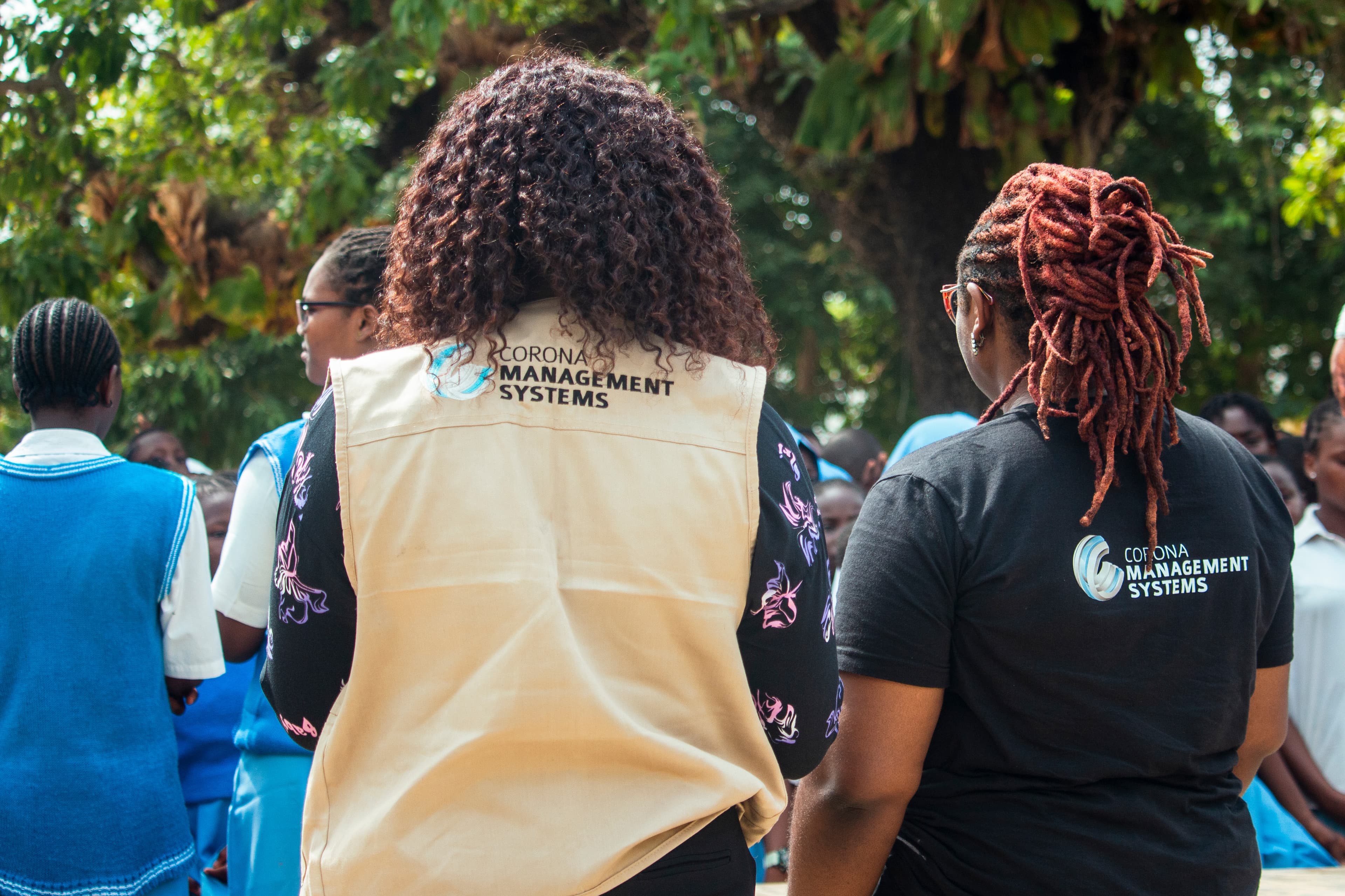
![[object Object]](/_next/image?url=https%3A%2F%2Fcdn.sanity.io%2Fimages%2F416mi0iw%2Fproduction%2Fcc90b15cf81120caa17d7466e02266372bcc7d3a-432x385.webp%3Frect%3D0%2C70%2C432%2C247%26w%3D1400%26h%3D800&w=3840&q=75)
ReMiDi: Reaching the Unreached with Lifesaving Vaccines in the DRC
In the heart of the Democratic Republic of Congo (DRC), where families have been uprooted by years of conflict and crisis, life continues against the odds. Children are born. Mothers hold them close. And even in displacement amid shelters, camps, and uncertainty, parents do everything they can to protect their little ones.
Yet for many, protection from vaccine-preventable diseases remains out of reach. In conflict-affected North and South Kivu, refugees, migrants, and internally displaced persons (IDPs) face extraordinary barriers to routine immunisation. Long distances to health facilities, limited access to reliable information, unanswered questions about side effects, and fragile health systems leave many children unprotected. No child should be left behind, especially in moments of crisis. This belief drives the ReMiDi Project.
Listening to Communities to Understand Barriers
ReMiDi, short for Refugees, Migrants, and Displaced, is a public health research initiative led by Corona Management Systems and funded by the Sabin Vaccine Institute. The project goes beyond assumptions to understand how displaced caregivers make decisions about vaccinating their children.
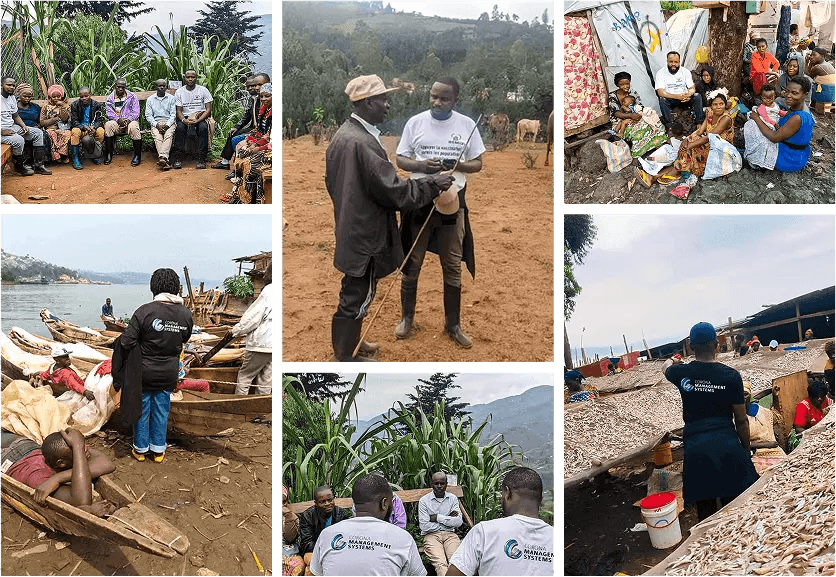
Using Time-Location Sampling (TLS), a method designed for highly mobile populations, ReMiDi engaged caregivers across IDP camps, refugee communities, and migrant settings, including mining sites, fishing communities, and transport corridors. Through these conversations, the project explored how caregivers perceive vaccines, where they seek information, who they trust, and what influences their decisions about routine immunisation.
What We Learned from the Field
Field engagement revealed recurring challenges that shape vaccination decisions in these communities.
Many caregivers understand the benefits of vaccines yet fear of side effects such as fever or swelling can create hesitation. Without clear guidance on what reactions are normal, uncertainty can quickly turn into mistrust.
Trust is deeply local. National campaigns often fail to resonate, while town criers, community nurses, religious leaders, camp coordinators, and respected elders are the most relied-upon sources of guidance.
Physical access remains a major constraint. In remote and mining areas, clinics may be hours away. For families dependent on daily wages, time away from work can mean lost income and lost opportunities for vaccination.
Faith leaders are influential allies. Pastors and religious leaders are already helping shape positive social norms by promoting vaccination during services, providing another channel for community engagement.
Turning Insights into Action
Armed with these insights, ReMiDi collaborated with communities to co-create Social and Behaviour Change Communication (SBCC) materials tailored to their realities. These materials provided clear guidance on managing side effects, reinforced accurate vaccine information in culturally relevant language, and equipped trusted messengers to communicate confidently. They also supported advocacy for mobile outreach, and the strategic placement of immunisation points closer to high-mobility populations.
Delivered through community health volunteers and local influencers, these messages reached over 1,000 caregivers. The results were significant: 1,090 zero-dose children received their first routine vaccines, and 1,930 under-immunised children completed missed doses. Each figure represents more than service delivery, it reflects restored confidence in local health systems and strengthened trust between communities and caregivers.
Building Stronger Systems Through Community Trust
ReMiDi demonstrates that equitable immunisation in fragile, conflict-affected areas cannot rely solely on clinics or infrastructure. Trust, cultural alignment, and locally credible communication are equally critical. By centring communities, listening deeply, and amplifying trusted voices, the project contributes to more responsive immunisation programming in North and South Kivu.
Even in displacement, every child deserves protection. Sustainable health systems are built not only on services, but on trust, inclusion, and community voice.
![[object Object]](/_next/image?url=https%3A%2F%2Fcdn.sanity.io%2Fimages%2F416mi0iw%2Fproduction%2Faede3004741d84233530f8d30a91c80bc160aa12-4032x3024.jpg&w=3840&q=75)
![[object Object]](/_next/image?url=https%3A%2F%2Fcdn.sanity.io%2Fimages%2F416mi0iw%2Fproduction%2F53d3485c115bf71dccfefda844c33c6fdd4b238d-1920x1080.png&w=3840&q=75)
![[object Object]](/_next/image?url=https%3A%2F%2Fcdn.sanity.io%2Fimages%2F416mi0iw%2Fproduction%2F51cf956bb4bca1bd932249a32ea87227626a1d91-640x572.webp&w=3840&q=75)
![[object Object]](/_next/image?url=https%3A%2F%2Fcdn.sanity.io%2Fimages%2F416mi0iw%2Fproduction%2Fb6cbfd09ba0c7951fde0e553c026525f8975cdfb-809x540.webp&w=3840&q=75)
![[object Object]](/_next/image?url=https%3A%2F%2Fcdn.sanity.io%2Fimages%2F416mi0iw%2Fproduction%2F910d0b5a611137f7f75fbe544f52a0aaca86e255-431x385.webp&w=3840&q=75)
![[object Object]](/_next/image?url=https%3A%2F%2Fcdn.sanity.io%2Fimages%2F416mi0iw%2Fproduction%2F440b7d8a88942700eec89625156df0af2094714d-431x385.webp&w=3840&q=75)