For many caregivers in Nigeria, getting a child vaccinated isn't as simple as visiting a clinic. Distance, transportation costs, and mistrust can turn lifesaving vaccines into a daily struggle, leaving millions of children starting late, missing doses, or never reaching a health facility at all.
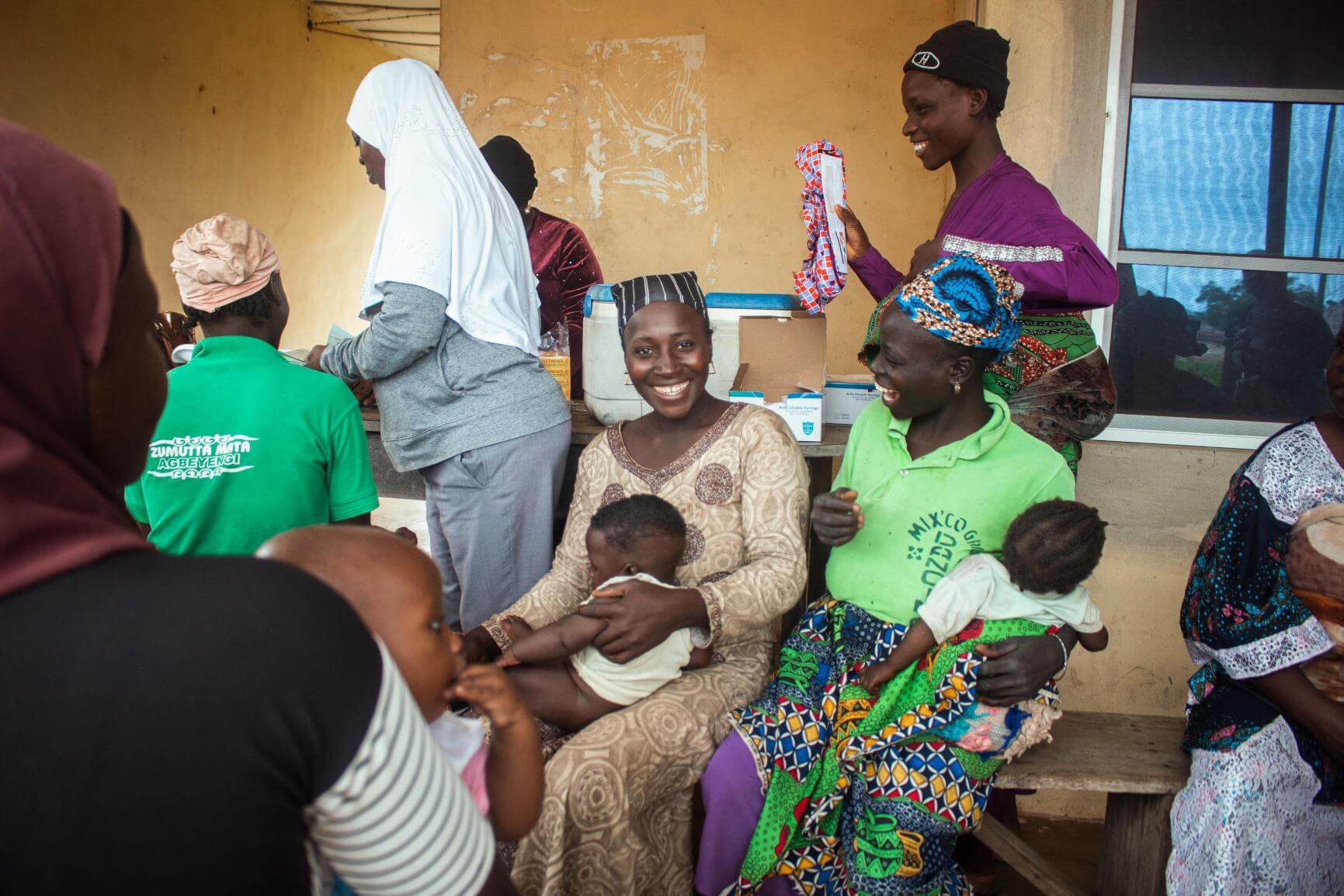
Against this backdrop, the Demand Side Incentive (DSI) project set out to remove these barriers and bring immunisation closer to families. In Nigeria, that approach delivered remarkable results, surpassing its country target by reaching more than 250,000 children through strengthened routine immunisation services. What made this possible was a community-centred model that recognised caregivers, community mobilisers, and local health workers as partners in change, meeting people where they are, while reinforcing the health systems that serve them.
A Challenge Beyond Zero-dose
Nigeria has one of the highest burdens of under-immunised children globally. According to the World Health Organization , more than 2.2 million children have never received a single vaccine, and many others start late or miss scheduled doses due to access barriers, competing household priorities, and inconsistent service delivery.
Closing these gaps requires more than awareness. It calls for practical support for caregivers, reliable funding for frontline facilities, and trusted engagement at the community level, exactly the problem the DSI project was designed to address.
A Community-centred Model Built for Impact
Implemented by Corona Management Systems (CMS) with funding from Gavi, the Vaccine Alliance, and in partnership with government stakeholders, the DSI project is being delivered across Nigeria, the Democratic Republic of Congo, Lesotho, and Cameroon. In Nigeria, the scale and speed of impact stand out as a powerful example of what can be achieved when community-centred incentives and strong health system support are combined.
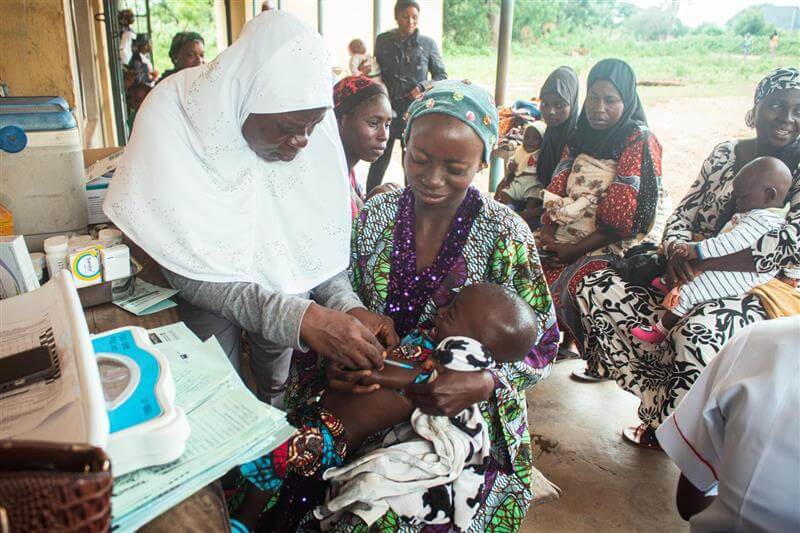
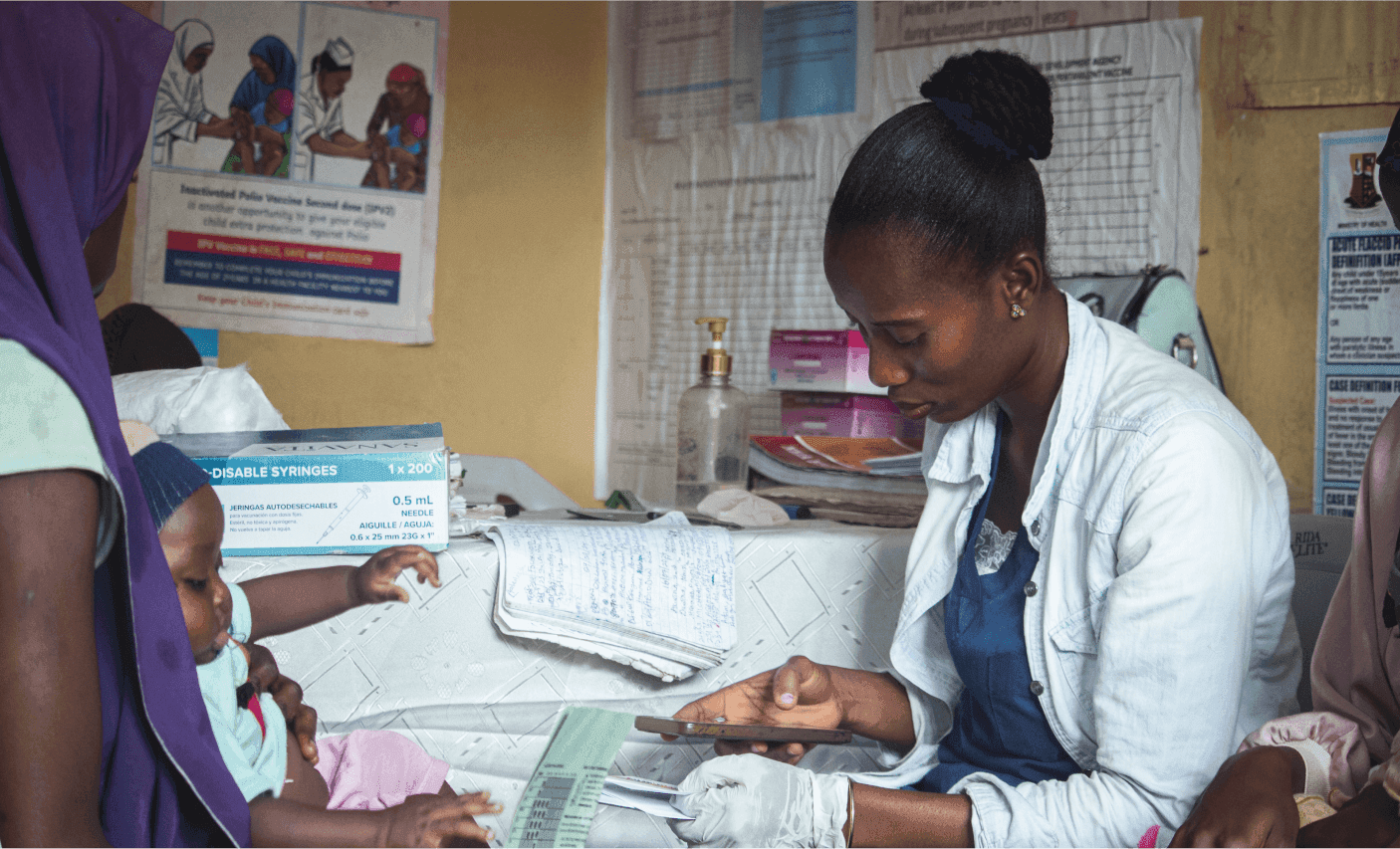
Within Nigeria, the DSI project is implemented specifically in Oyo and Kwara States, where it introduced a low-cost, community-driven model that deliberately addresses both demand- and supply-side barriers to routine immunisation. Community mobilisers work closely with health facilities to engage caregivers during routine immunisation sessions, building trust, improving awareness, and encouraging timely uptake of vaccines. Key components include:
Arm 1 – Transportation Voucher (TV)
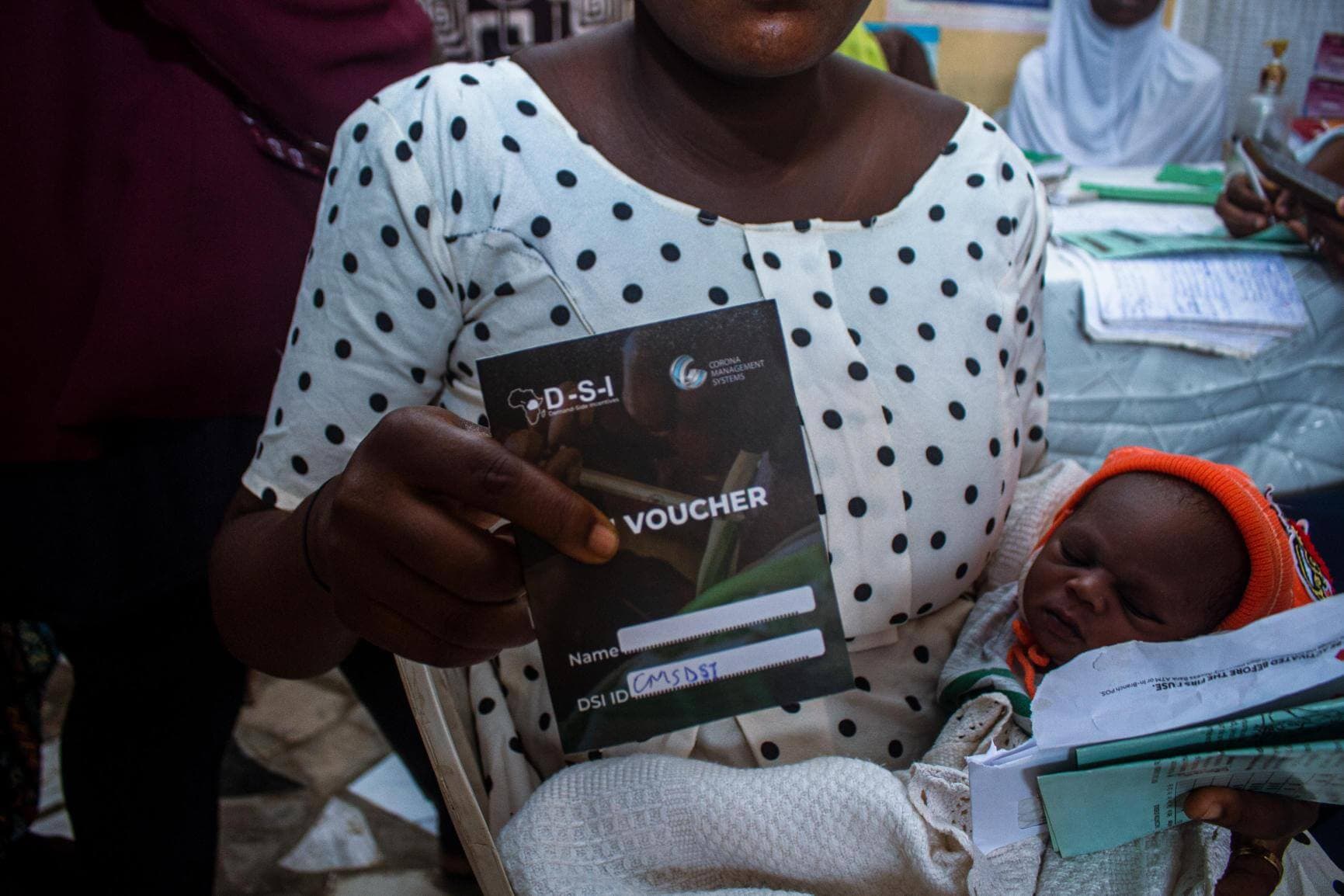
Caregivers receive transportation vouchers after registration and vaccination verification. The vouchers are disbursed through reloadable bank cards, helping to offset the cost of accessing health facilities.
Arm 2 – Direct Facility Financing (DFF)
Health facilities receive monthly payments to plan, deliver, and sustain immunisation services. These funds are disbursed through reloadable prepaid bank cards, helping to address challenges associated with traditional banking systems.
Arm 3 – TV + DFF
This arm combines both interventions, providing transportation vouchers to caregivers alongside direct funding to health facilities.
By supporting caregivers while simultaneously strengthening service delivery, the DSI model ensures that increased demand is met with consistent, high-quality care.
Surpassing the Target with Months Still to Go
The Nigeria DSI programme was designed to reach 250,000 eligible children across Oyo and Kwara States. With months still to go before the August conclusion, the programme has already exceeded its target.
To date, 260,263 children have been vaccinated across all intervention arms, an achievement that reflects not only expanded coverage, but also improved access and timeliness of routine immunisation services.
Crucially, this progress includes 19,121 zero-dose children who had never received a single vaccine before the intervention. Reaching these children represents a meaningful step toward closing long-standing immunity gaps, while also ensuring that many more children remain on track with their vaccination schedules.
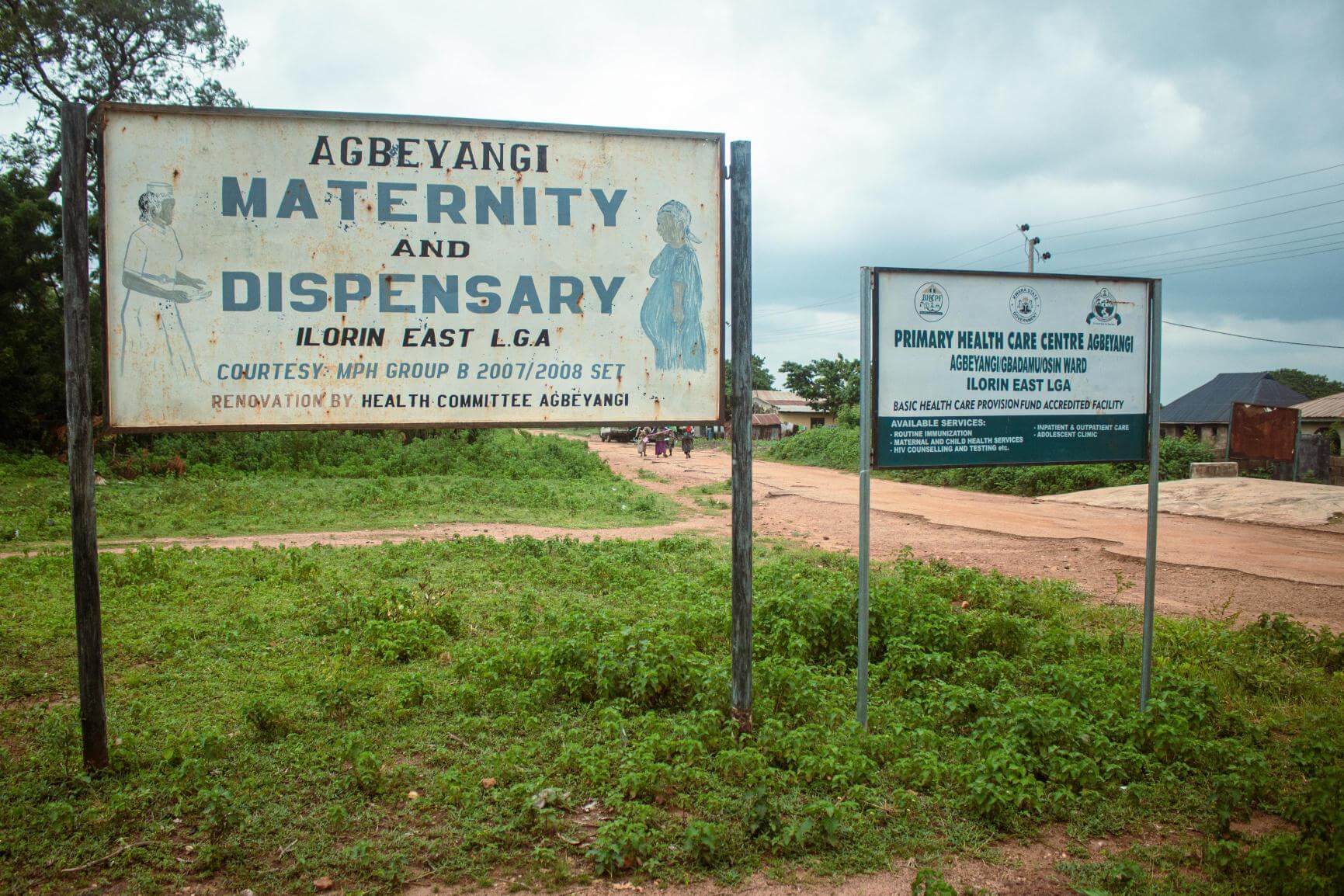
Altogether, routine immunisation services have been strengthened across 520 wards, improving access for hundreds of communities through both fixed-site and outreach vaccination sessions.
Impact by the Numbers
The scale of the Nigeria DSI project is reflected in every layer of the intervention. Across 520 health facilities and through more than 30,654 fixed and outreach vaccination sessions, the programme reached 260,263 children, including 19,121 who had never received a single vaccine before. In addition, 1,040 health workers were trained to strengthen service delivery and accountable use of DFF.
Transportation vouchers enabled 38,557 children to access immunisation services they might otherwise have missed, while Direct Facility Funding alone supported the vaccination of 123,157 children. When combined, vouchers paired with facility funding, the model reached an additional 98,549 children, demonstrating the power of integrated, community-responsive support.
Beyond immediate service delivery, the project is also contributing to global learning. Four research manuscripts have been submitted to inform immunisation practice worldwide, ensuring that the insights gained in Oyo and Kwara States can strengthen health systems far beyond Nigeria.
"These numbers tell a story of scale, but also of systems strengthened, communities empowered, and families better served."
Looking Ahead
As implementation continues toward August, the Nigeria DSI experience demonstrates that equitable immunisation outcomes are achievable when community-centred approaches are combined with strong, responsive health systems.
Surpassing 250,000 children vaccinated is more than a milestone, it reflects what communities, health workers, and caregivers can achieve when they have the support and resources they need. It shows what is possible when policy, partnership, and community action come together, transforming strategy into real impact for the families who know their health needs best.
Subscribe To Our Newsletters
Stay Updated with the Latest News and Events - Directly in Your Inbox!