For more than a decade, Bayelsa State remained one of Nigeria's most underserved states in national malaria programming. With an estimated 700,000 malaria cases reported annually and a heavy burden falling on children under five and pregnant women, the gap between need and response was significant, particularly across the state's remote and riverine communities where access to health services has historically been most limited.
The launch of the Lives and Livelihood Fund (LLF) Project marked a turning point. Funded by the Islamic Development Bank (IsDB) and implemented under the technical supervision of the National Malaria Elimination Programme (NMEP), the project positioned Bayelsa as one of five states receiving dedicated support to strengthen malaria prevention and treatment services. Corona Management Systems (CMS), in collaboration with the Bayelsa State Ministry of Health, leads the implementation, bringing its expertise in health systems strengthening, community engagement, and data-driven service delivery to a context that urgently needed it.
Building From the Community Up
At the core of this work is a recognition that sustainable malaria control cannot be achieved through facility-level interventions alone. It requires meeting communities where they are, understanding their realities, and equipping local actors with the tools and knowledge to drive change from within.
Within the first year of implementation, the project achieved full geographic coverage across all 105 wards in Bayelsa State's eight Local Government Areas. But coverage alone does not tell the full story. What made this possible was the training and deployment of 429 Malaria Champions—community members trained to conduct door-to-door household enumeration, deliver malaria prevention messages, and promote care-seeking behaviour across their communities. Using the Electronic Community Health Information System (eCHIS), these Champions generated comprehensive, geo-referenced household data that now informs targeted interventions across the state.
Through this approach, 91,246 households were reached with standardised malaria prevention, diagnosis, and treatment messages, including 72,588 women of childbearing age, 54,385 children under five, and 7,224 pregnant women. This was not a top-down information campaign. It was a structured, community-led effort to ensure that the people most affected by malaria had access to accurate information and quality services at no cost.
Strengthening Health Systems from the Facility to the Last Mile
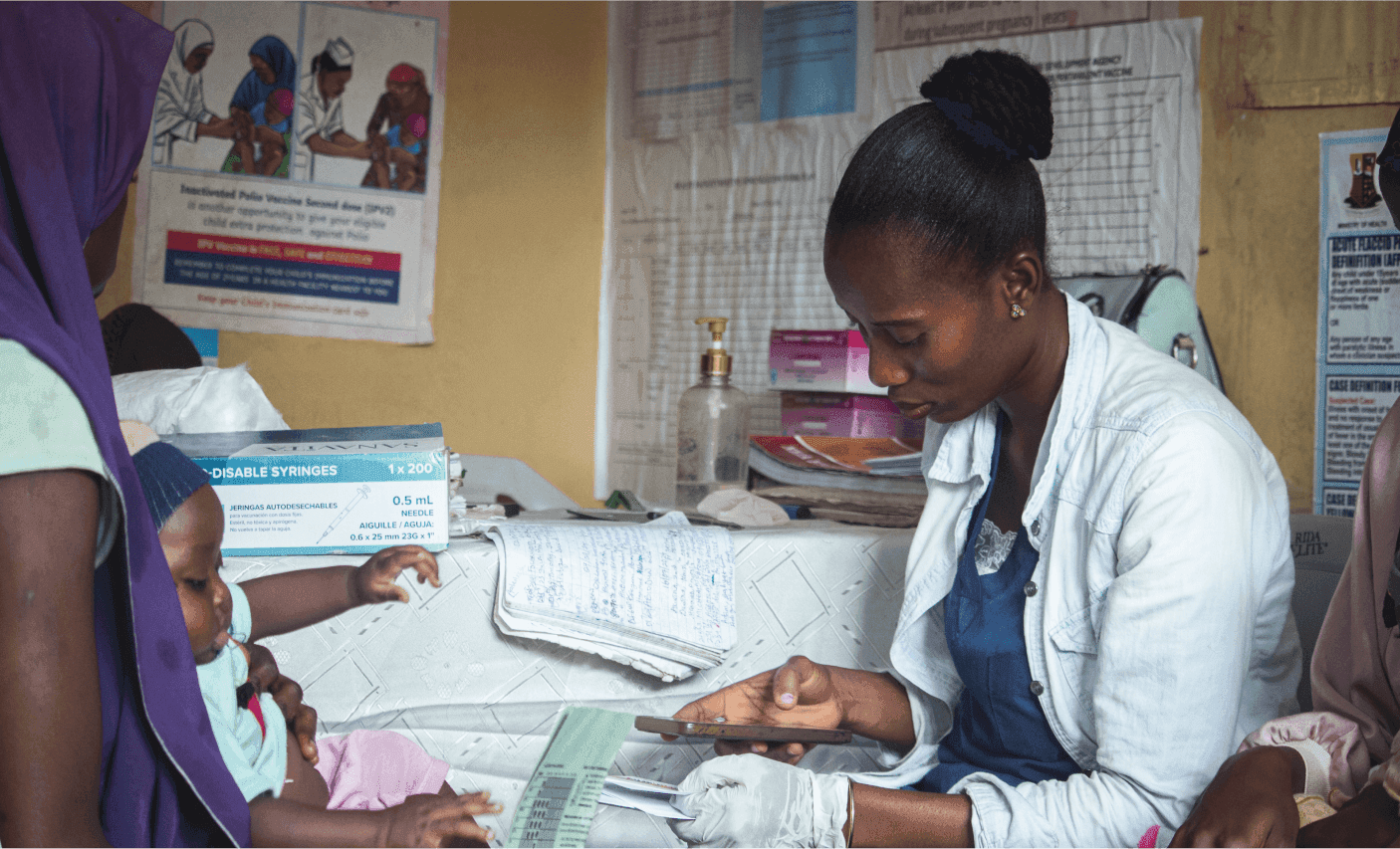
Alongside community engagement, the project has worked to strengthen the systems that underpin quality service delivery. A total of 266 public health facilities across all eight LGAs received support to enhance malaria diagnosis through Rapid Diagnostic Tests and microscopy, improve case management, increase uptake of Intermittent Preventive Treatment in pregnancy (IPTp), and strengthen household-level counselling. District Health Information Software (DHIS)2 data reflect a sustained increase in IPTp uptake among antenatal care attendees statewide, a tangible indicator of improved service delivery.
Data quality has been a particular focus. Through Integrated Monitoring and Supervision Visits and Data Quality Assessments, health workers across service delivery points have strengthened their capacity to accurately document and report malaria cases using standardised tools. As one health worker noted during a supervision visit: "I will ensure the records are accurate going forward so that by the next supervision you will see major improvements."
Perhaps one of the most innovative elements of the project has been CMS's partnership with Zipline to deploy drone technology for last-mile delivery of malaria commodities. In a state where many communities are accessible only by waterways, this collaboration has reduced stockouts, ensured timely availability of essential commodities, and extended equitable access to populations that traditional supply chains have long struggled to reach.
As one facility officer-in-charge put it: "Without the LLF project, this facility would struggle to function. The project is currently the main source of malaria commodities for most facilities in the state."
Deepening Frontline Capacity: State Training of Trainers Now Underway
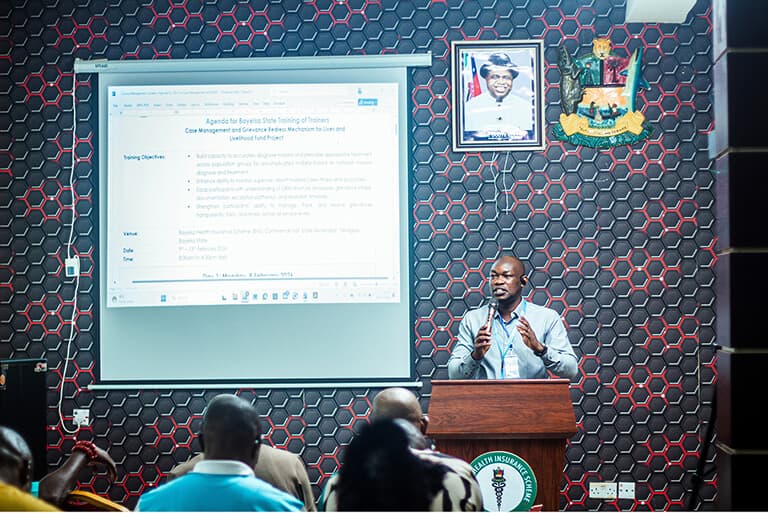
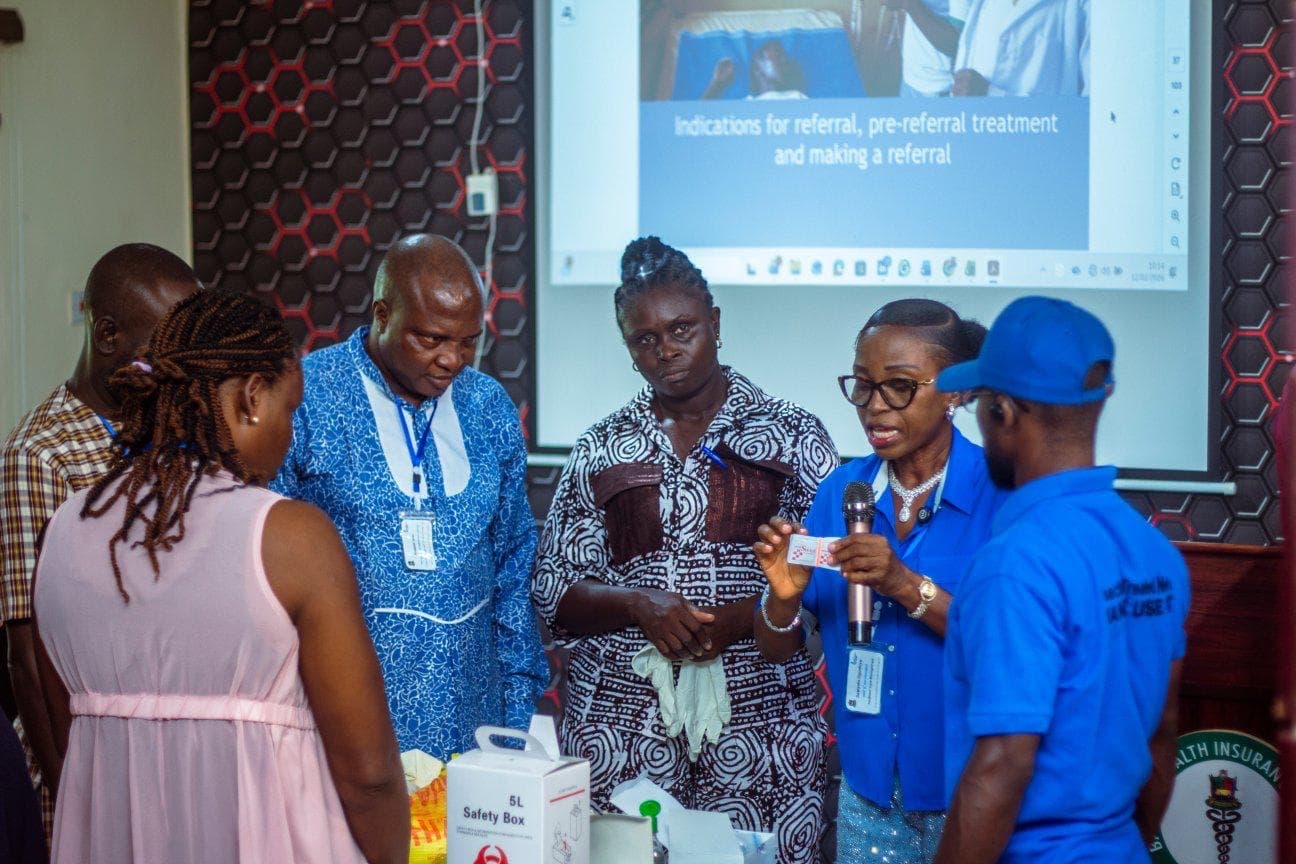
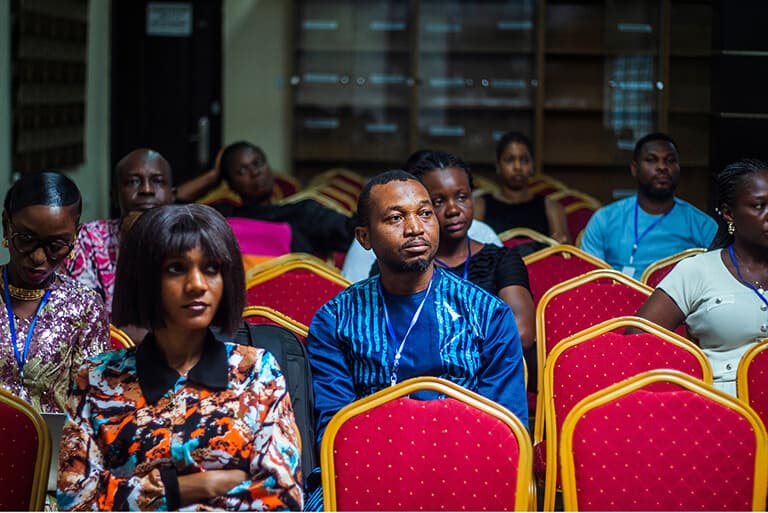
As the project enters its next phase, CMS is continuing to invest in the people who make quality malaria services possible. In collaboration with the Bayelsa State Ministry of Health, CMS is currently conducting a State Training of Trainers (SToT) aimed at strengthening health workers' capacity in malaria case management and grievance redress mechanisms.
The training focuses on improving accurate diagnosis and appropriate treatment of malaria, timely reporting and referral, effective supervision, and transparent systems for managing and resolving grievances across service delivery points. Participants will go on to cascade this training to health workers at the LGA and facility levels, extending the reach of these strengthened competencies across the state's primary healthcare network.
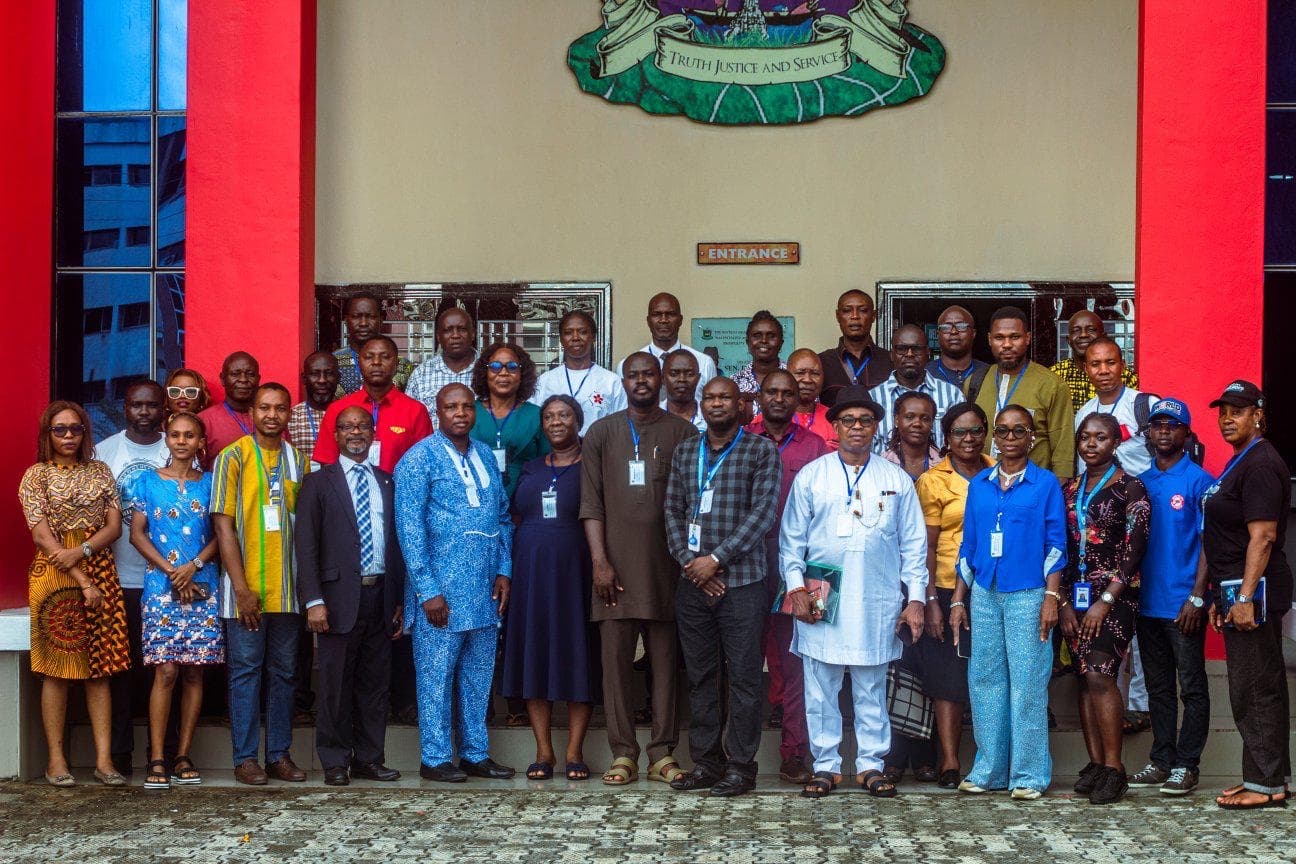
"This investment reflects a core principle of CMS's approach to health systems strengthening: that lasting outcomes depend not only on the availability of commodities and protocols, but on the people who deliver care every day."
By building both clinical competence and accountability structures at the frontline, the initiative contributes to more responsive, equitable, and resilient health services, the kind that communities in Bayelsa State deserve.
Looking Ahead
The LLF Project demonstrates what becomes possible when health programming is grounded in community realities and supported by strong systems. In Bayelsa State, the results are clear: improved community engagement, stronger data quality, more reliable commodity supply chains, and health workers who are better equipped to deliver quality care.
For CMS, this work reflects a broader commitment to strengthening health systems across sub-Saharan Africa, not by imposing external solutions, but by partnering with communities, governments, and health workers to build systems that are locally owned, data-informed, and designed to last.
Subscribe To Our Newsletters
Stay Updated with the Latest News and Events - Directly in Your Inbox!