![[object Object]](/_next/image?url=https%3A%2F%2Fcdn.sanity.io%2Fimages%2F416mi0iw%2Fproduction%2Faede3004741d84233530f8d30a91c80bc160aa12-4032x3024.jpg%3Frect%3D0%2C360%2C4032%2C2304%26w%3D1400%26h%3D800&w=3840&q=75)
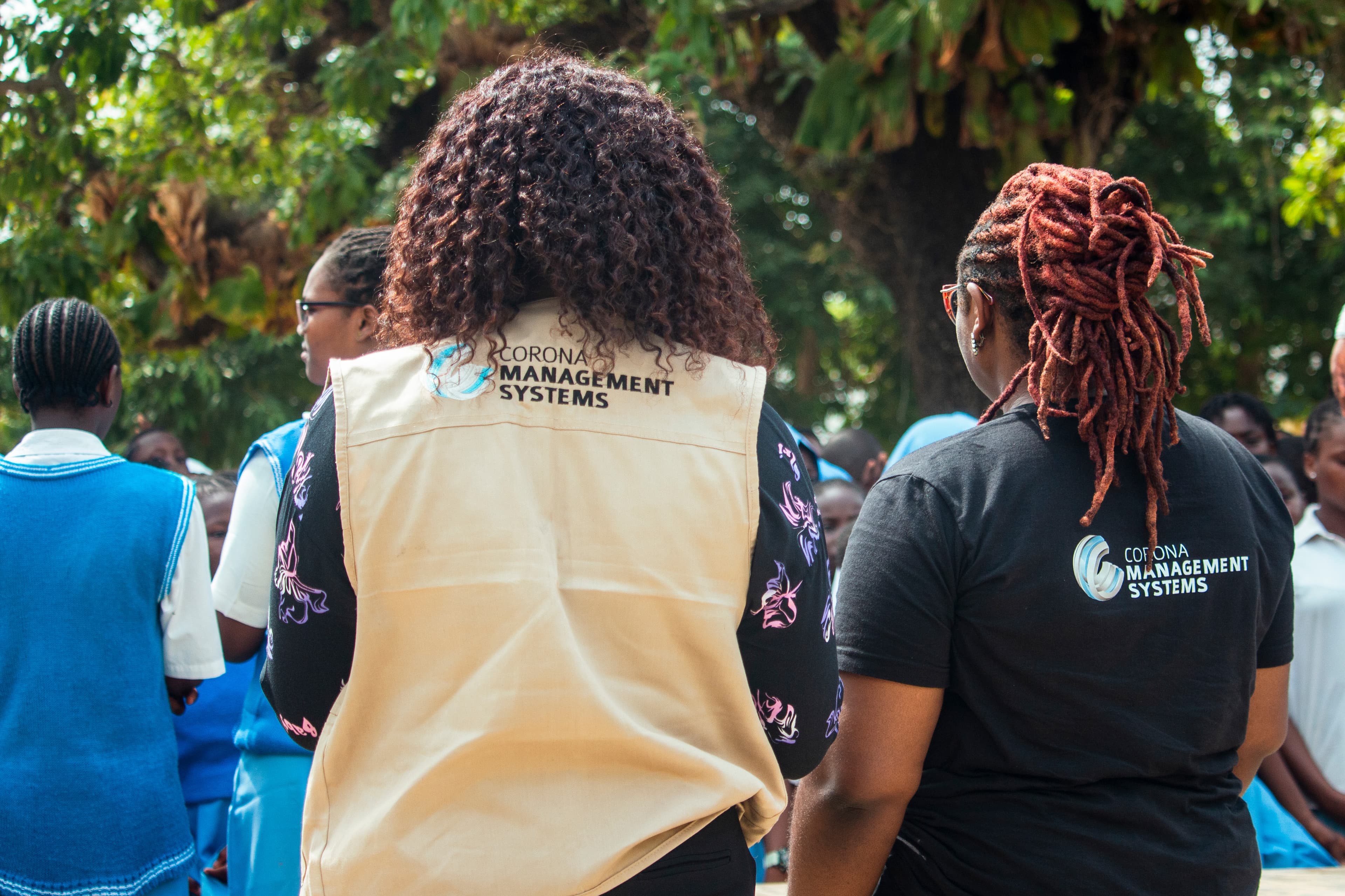
“I became a Big Sister because I feel there are young girls that need someone to mentor them and look up to. I am putting myself in their shoes because if I had someone to confide in when I was little, I would not have faced some challenges.” — Favour Isreal, Big Sister Mentor
For Favour, becoming a Big Sister is about more than participating in a health programme. It is about being the person she wishes she had growing up, someone young girls can trust, talk to, and learn from.
For many adolescent girls, having a trusted person to turn to can make it easier to ask questions about growing up, relationships, menstruation, personal hygiene, and sexual and reproductive health. This is the idea behind the Sixters Project.
What is Sixters?
The Sixters Project is an adolescent sexual and reproductive health (ASRH) mentorship programme built around the Big Sister model, operating across Kebbi, Zamfara, and Akwa Ibom States.
The programme is led by the National Primary Health Care Development Agency NPHCDAunder the Sector Wide Approach SWAp with Corona Management Systems (CMS) serving as an implementing partner alongside other partners.
The project focuses on strengthening community engagement, increasing access to accurate adolescent health information, and improving referrals to appropriate sexual and reproductive health services.
Why mentorship matters
Adolescents can face stigma, misinformation, cultural expectations, and limited access to trusted sources of sexual and reproductive health information. For girls in particular, sensitive questions may be difficult to raise in formal settings or with adults they do not know well.
This is where a community-based mentorship approach can make a difference.
Rather than relying only on general awareness campaigns, Sixters creates opportunities for adolescent girls to engage with trained mentors within their communities. The model is designed around relationships and continued conversations, allowing girls to learn, ask questions, and seek guidance in a supportive environment.
The project began by listening to communities. A baseline qualitative assessment across the three states explored community perceptions, misconceptions, trusted sources of information, and factors influencing adolescent health-seeking behaviour. These findings helped inform the design of project activities and community engagement approaches.
How the Big Sister model works
At the centre of Sixters are Big Sister Mentors, trained community members who support adolescent girls through structured mentorship.
The project recruited and trained 100 Big Sister Mentors, alongside 1,000 Youth Champions who support community mobilisation, encourage positive health-seeking behaviours, and help strengthen referrals to health facilities.
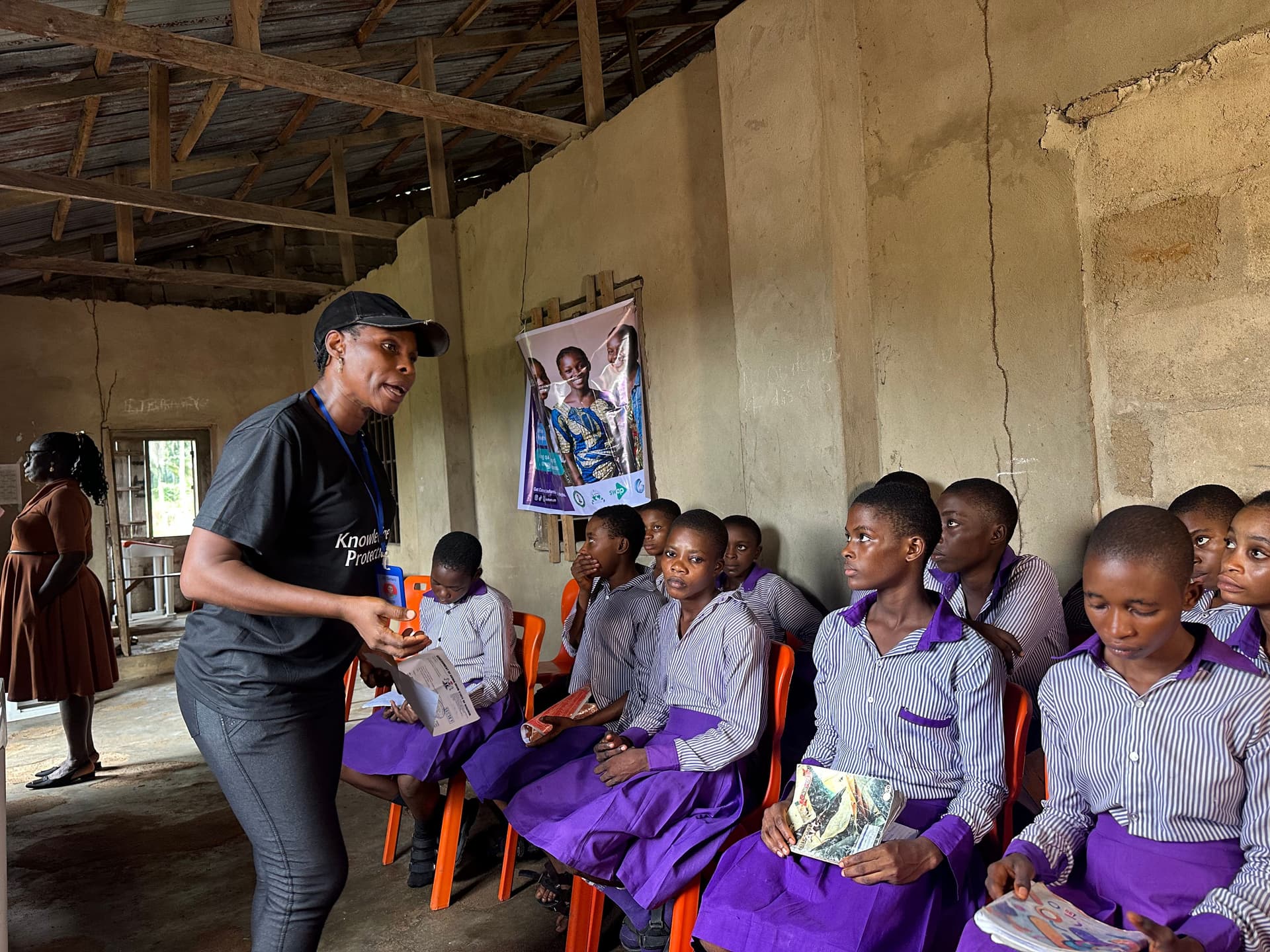
Adolescent girls, referred to as Little Sisters, are organised into groups known as cohorts. Each cohort participates in four interactive mentorship sessions, creating continuity and allowing relationships between mentors and girls to develop over time.
The sessions provide safe spaces for girls to discuss topics including puberty, menstrual hygiene, healthy relationships, prevention of sexually transmitted infections, family planning, gender-based violence, self-care, and appropriate healthcare-seeking behaviour.
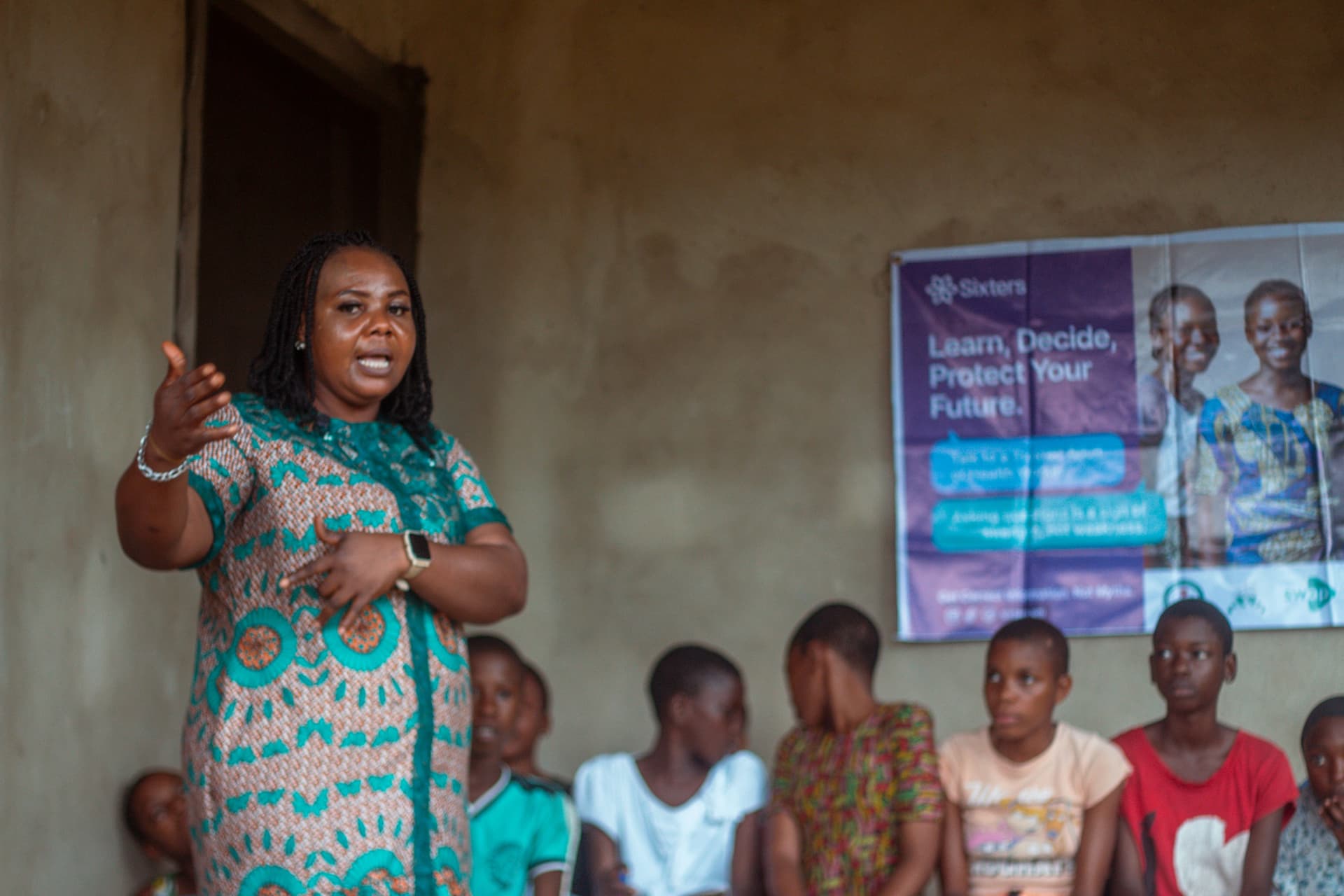
The community is not simply receiving information; community members are part of delivering the intervention. Big Sisters, Youth Champions, community stakeholders, and health facilities all play roles in creating stronger pathways between adolescents and the services available to them.
From conversations to care
The mentorship sessions are also connected to a referral pathway designed to help adolescents and women access appropriate sexual and reproductive health services when needed.
Through this approach, Sixters connects conversation to action. A girl can learn about a health concern, discuss it with a trusted mentor, and, where appropriate, be supported to access a health facility.
Routine supportive supervision also helps strengthen the quality of mentorship sessions, referrals, and collaboration between community structures and health facilities.
A girl's perspective
The value of this approach is perhaps best understood through the experience of the girls themselves.
One Little Sister says her Big Sister has helped her understand things about her health and body that she didn't have anyone else to ask about before, and that she now feels she has someone she can turn to with questions.
Her experience highlights an important part of mentorship: trust. The goal is not simply to give girls information. It is to create an environment where they feel comfortable learning, asking questions, sharing concerns, and knowing where to seek support.
Where Sixters stands
The project has already reached thousands of adolescent girls through its mentorship activities.
Since implementation began, trained Big Sisters have conducted 2,484 mentorship sessions, reaching 16,169 adolescent girls across Akwa Ibom, Kebbi, and Zamfara States. Through the project's referral system, 2,865 adolescents and women were also referred to health facilities for appropriate sexual and reproductive health services.
The project has completed Cohorts 1–7 across the three states, with Cohorts 8–10 ongoing as implementation continues.
These figures represent more than programme outputs. They represent opportunities for girls to access trusted information, build confidence, ask questions, and connect with services that can support their health and wellbeing.
Building healthier futures together
Sixters demonstrates what can happen when communities are treated as active partners in improving adolescent health.
When trusted community members are equipped to mentor girls, when young people have safe spaces to learn, and when strong referral pathways connect conversations to healthcare services, health systems become more responsive to the people they serve.
As implementation continues, the project is focused on strengthening mentorship activities, supporting Youth Champion-led community engagement, improving referral completion, and documenting lessons that can inform future adolescent health programming.
Ultimately, healthier futures for adolescent girls cannot be built by health facilities alone. They are built through trusted relationships, informed communities, responsive health systems, and young people who are empowered to make informed decisions about their health.
Sixters is helping turn those connections into action—one conversation, one mentor, and one girl at a time.
The Sixters Project is implemented by CMS in partnership with NPHCDA, the SWAp coordination office, and other implementing partners working together across Akwa Ibom, Kebbi, and Zamfara States.
![[object Object]](/_next/image?url=https%3A%2F%2Fcdn.sanity.io%2Fimages%2F416mi0iw%2Fproduction%2F53d3485c115bf71dccfefda844c33c6fdd4b238d-1920x1080.png&w=3840&q=75)
![[object Object]](/_next/image?url=https%3A%2F%2Fcdn.sanity.io%2Fimages%2F416mi0iw%2Fproduction%2Fcc90b15cf81120caa17d7466e02266372bcc7d3a-432x385.webp&w=3840&q=75)
![[object Object]](/_next/image?url=https%3A%2F%2Fcdn.sanity.io%2Fimages%2F416mi0iw%2Fproduction%2F51cf956bb4bca1bd932249a32ea87227626a1d91-640x572.webp&w=3840&q=75)
![[object Object]](/_next/image?url=https%3A%2F%2Fcdn.sanity.io%2Fimages%2F416mi0iw%2Fproduction%2Fb6cbfd09ba0c7951fde0e553c026525f8975cdfb-809x540.webp&w=3840&q=75)
![[object Object]](/_next/image?url=https%3A%2F%2Fcdn.sanity.io%2Fimages%2F416mi0iw%2Fproduction%2F910d0b5a611137f7f75fbe544f52a0aaca86e255-431x385.webp&w=3840&q=75)
![[object Object]](/_next/image?url=https%3A%2F%2Fcdn.sanity.io%2Fimages%2F416mi0iw%2Fproduction%2F440b7d8a88942700eec89625156df0af2094714d-431x385.webp&w=3840&q=75)